
A continuation bet, usually called a c-bet, is one of the most important postflop concepts in Texas Hold'em. Beginners often either fire on every flop or give up whenever they miss. Both habits cost money.
This guide covers what a c-bet is, why it works, which flops are good and bad for c-betting, how to choose a bet size, how often a bluff needs to work, and the mistakes beginners make most. The one question to take away is: does this flop favor my range or my opponent's?
What Is a Continuation Bet?
A c-bet is a bet on the flop by the player who raised last before the flop.
The most common sequence looks like this:
- You raise before the flop.
- One opponent calls.
- The flop is dealt.
- Your opponent checks to you.
- You bet.
That flop bet is a c-bet. If you are out of position and act first, betting the flop is also a c-bet. You are continuing the story you started preflop. Betting again on the turn is often called a double barrel, and on the river a triple barrel. This guide focuses on the flop c-bet.
C-bets let you win pots without always having a strong hand, but firing automatically on every flop is one of the most expensive leaks a beginner can have. Board texture, position, and the number of opponents all matter.
Why C-Bets Work
C-bets work because the preflop raiser typically has a stronger, more concentrated range than the caller. A range is the full set of hands a player could hold in that spot.
When you raise preflop, your range usually includes hands like:
- Premium pairs: AA, KK, QQ, JJ, TT
- Strong broadway hands: AK, AQ, AJ, KQ
- Strong suited aces and suited broadways
The caller's range is wider. They can hold strong hands too, but they also defend with medium pairs, suited connectors, and speculative hands. On many flops, especially dry high-card boards, the raiser can credibly represent top pair or better even after missing. That is the core reason c-bets work.
The Key Question Before Every C-Bet
Before betting, ask: does this flop favor my preflop raising range, or my opponent's calling range? If it favors your range, c-betting is usually sound. If it favors the caller, automatic c-betting becomes expensive.
| Flop | Usually Better For | Why |
|---|---|---|
| A-7-2 rainbow | Preflop raiser | Raiser holds many strong Ax hands and few draws exist |
| K-8-3 rainbow | Preflop raiser | Dry high-card board, few strong draws |
| K-K-5 | Preflop raiser | High paired board; callers rarely connect with it |
| 3-3-7 | Raiser (with caution) | Raiser has more overpairs, but the big blind holds some 3x and small pairs. Start with a small size |
| 9-8-7 two-tone | Caller | Caller has more connected and draw-heavy hands |
| 6-5-4 two-tone | Caller | Big-card raising hands often miss entirely |
This is the most important beginner shortcut: stop asking only "did I hit?" and start asking "who does this board help more?"
Flops That Are Good for C-Betting
Dry Ace-High or King-High Boards
Flops like A-7-2 rainbow or K-8-3 rainbow are excellent c-bet boards for the preflop raiser. They are dry (few draws exist), and they contain a high card that connects strongly with the raiser's range. Opponents with missed suited connectors, small pairs, or unimproved broadways often fold to even a small bet.
Example: A♣ 7♦ 2♠


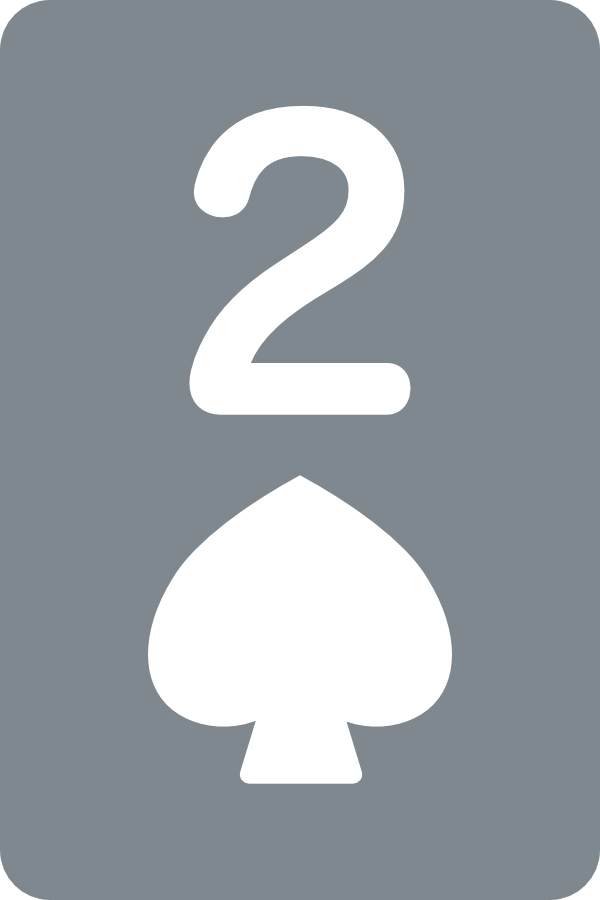
Ace-high with almost no draws. The raiser holds far more Ax hands than the caller, so a small bet puts a lot of pressure on weak hands.
Example: K♥ 8♣ 3♦



One king and two scattered low cards. Opponents rarely hold strong draws here, so a small c-bet is usually enough.
Paired Boards
Paired flops are also good c-bet boards. Two cards of the same rank reduce the ways the caller can make a strong hand, and the raiser has more overpairs.
Example: K♠ K♦ 5♣



Two kings are on the board, so the caller has few Kx combinations. A small c-bet is usually enough.
Example: 8♥ 8♣ 2♦


A lower paired board still favors the raiser, who holds many overpairs. But the big blind can hold an 8x, a small pair, or low connectors, so start with a small size and watch how your opponent reacts.
Do not bet every paired board automatically. A player with trips is still a big problem. Low paired boards such as 3-3-7 or 4-4-9 connect with more of the big blind's small pairs and suited connectors than K-K-5 does, so size down and lean toward betting when you hold overpairs or strong hands.
Boards Where You Have Overcards or Backdoor Equity
C-bets are easier to handle when you have something to improve to, even if you have missed. Take K♦ Q♦ on a T-5-2 flop.
Example: K♦ Q♦ on T♠ 5♦ 2♣
You raised preflop and only the big blind called. The big blind checks.



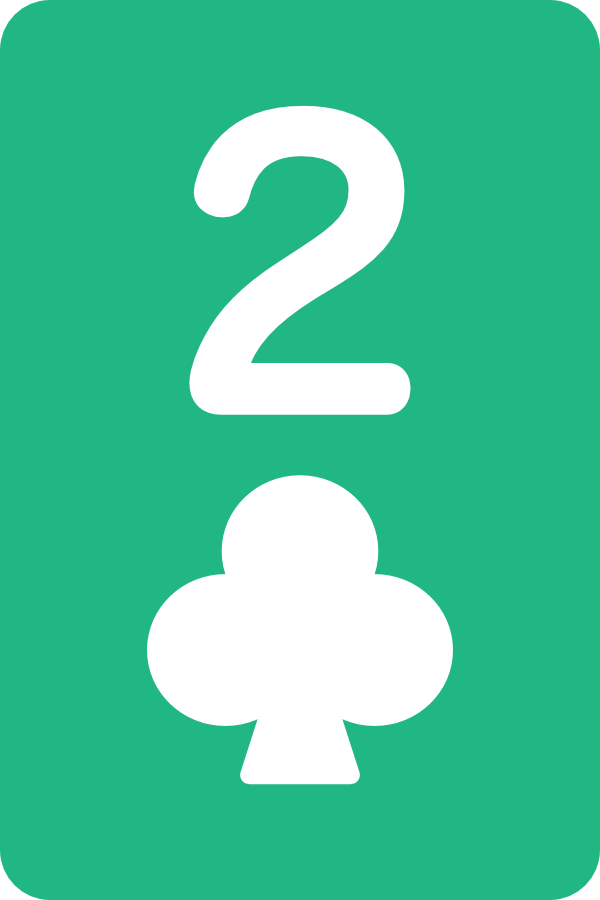
You have two overcards and a backdoor flush draw. A king or queen gives you top pair, a diamond gives you a flush draw, and an ace or jack gives you a straight draw.
Many turn cards keep you in the hand with a believable story to continue. That makes this hand a strong bluff c-bet candidate.
Bluffing with backdoor equity or overcards is much better than bluffing with complete air. A hand like 7♣ 2♦ has no good turn cards, so it makes a weak bluff candidate on the same board.
Flops Where You Should C-Bet Less
Connected Low or Middle Boards
Example: 9♠ 8♠ 7♦


Callers often hold suited connectors, one-gappers, small pairs, and straight draws. If you raised AK, you have missed completely while your opponent may have a pair, a draw, or both.
Example: 6♣ 5♦ 4♣
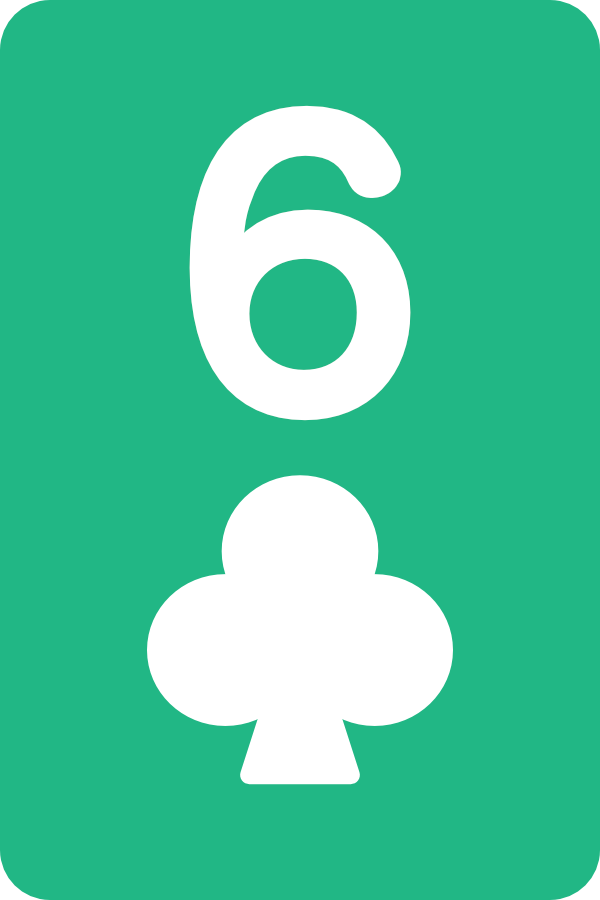

Big-card hands such as AK and AQ miss, while the big blind holds many pairs, two pairs, and straight draws. Checking with air is often better.
Betting into that situation and facing a call or check-raise leaves you with no equity. Automatic c-bets on connected boards are one of the fastest ways to lose chips. For how boards change from turn to turn, see Dynamic vs Static Flops.
Multiway Pots
C-bets work best in heads-up pots. When two or more players call preflop, at least one of them is much more likely to have connected with the flop. In multiway pots, c-bet bluffs much less often, focus on value betting strong hands and strong draws, and default to checking with weak or medium hands.
Out-of-Position Spots
When you act first on every street, c-betting becomes harder for three reasons:
- No information on later streets. If you bet the flop and get called, you must act again on the turn before your opponent shows strength or weakness.
- Check-raises are more costly. A flop check-raise forces you to fold your equity or commit more chips without knowing where you stand.
- Turn barrels are harder to execute. Continuing a bluff without position means betting into a player who has already called once.
This does not mean never c-bet out of position. You can still c-bet when the board clearly favors your range, such as dry A-high or K-high boards, and you have a strong made hand or meaningful equity. Default to checking more often OOP when the board connects with the caller's range, in multiway pots, or when you hold pure air with no turn plan. Position is one of the biggest edges in poker. See why position matters for more.
Simple C-Bet Sizing Guide
You do not need a complicated sizing system to start. These rules cover most common situations:
| Situation | Common Size | Reason |
|---|---|---|
| Dry high-card board (A-high, K-high) | 25-33% pot | A small bet pressures many weak hands at low risk |
| Paired dry board | 25-33% pot | Callers miss often; a large size wastes money |
| Draw-heavy board with a strong hand | 50-75% pot | Charge draws and get value from worse made hands |
| Multiway pot bluff | Check more often | Fold equity drops sharply with multiple opponents |
| Out of position with weak air | Check more often | Future streets are harder without position |
For example, with A♠ Q♠ on A♦ J♠ T♠ you want to charge pairs, flush draws, and straight draws, so a 50-67% pot bet is a good size. A small c-bet is not a weak c-bet. On boards that favor your range, 25-33% of the pot is often as effective as a large bet and risks far less when you get called.
How Often a Bluff C-Bet Needs to Work
A bluff c-bet is profitable only if your opponent folds often enough. You can calculate the break-even fold rate from the risk and the reward:
Required fold rate = Bet amount ÷ (Pot + Bet amount)
| Bet Size | Risk and Reward (Pot = 100) | Required Fold Rate |
|---|---|---|
| 1/3 pot | Risk 33 to win 100 | About 25% |
| 1/2 pot | Risk 50 to win 100 | About 33% |
| 3/4 pot | Risk 75 to win 100 | About 43% |
| Pot-sized | Risk 100 to win 100 | 50% |
Smaller bluffs need a lower fold rate to profit. That is why a 1/3 pot bet works on dry boards: your opponent only has to fold 1 time in 4.
This is the strictest case, where your hand has zero equity when called. Overcards or backdoor draws lower the required fold rate. The required fold rate is the flip side of how often your opponent must defend (see MDF). To work out the equity your opponent needs when facing a bet, read Pot Odds in Poker.
Value C-Bets vs. Bluff C-Bets
Not every c-bet is a bluff. There are two types:
- Value c-bet: You bet because you have a strong hand and want worse hands to call. Example: you raised AK, the flop is A-7-2, and you bet top pair top kicker for value.
- Bluff c-bet: You bet to make better or equal hands fold. Example: you raised QJ, the flop is A-7-2, and you bet hoping to fold out pocket fives and king-high.
A strong c-bet strategy needs both. If you only bet when you hit, good opponents simply fold and never pay you off. If you bluff every flop, they call you down. Balance comes from choosing the right boards and hands for each type of c-bet. For the opposite problem of checking too much with strong hands, see Missed Value in Poker.
Common C-Bet Mistakes to Avoid
C-Betting Every Flop
The most common beginner leak. Firing on every board ignores texture, position, and opponent count. Always ask who the board favors before betting.
Betting Too Large on Dry Boards
On A-7-2 rainbow, your opponent already has many weak hands. The same hands tend to fold to a 33% pot bet as to a 75% pot bet, so the larger size only adds risk when you are bluffing.
Bluffing With No Equity on Bad Boards
On 9-8-7, AK with no draw can only improve to one pair, and it gets called by many pairs and draws. A hand with a pair or a strong draw has more ways to continue after a call. Choose which hands to bluff with, not just which boards.
No Plan for the Turn
Before you c-bet the flop, ask what you will do on common turn cards. If you have no plan after a call, checking may be the better choice. A c-bet is the start of a story that continues to the turn and river, not a one-street action.
Treating All Opponents the Same
Against opponents who fold too much, bluff c-bets become more profitable. Against calling stations, value bet more and bluff less. Check their flop stats in hand history and adjust.
Ignoring Multiway Dynamics
A bluff that folds out one player needs to work only once. In a three-way pot, the same bluff needs two players to fold, which is much harder. Scale back bluffing accordingly.
How to Practice C-Bets on nlh.poker
C-bet instincts are built by reviewing real hands. On nlh.poker, you can play free No-Limit Texas Hold'em and review hand history street by street. When you review, check three things:
- Did the board favor your range or the caller's range?
- Did your bet size match the board texture, not habit?
- When you were called, did you follow your turn plan?
For a step-by-step routine, read How to Review Poker Hands. To pick better hands to bet and call on the flop, see flop hand selection, and for the bigger picture on aggression, see Raise More in Poker.
Quick Reference: C-Bet Decision Checklist
- Are you the preflop raiser? If not, this is not a c-bet.
- Is this heads-up or multiway? Bluff c-bet far less in multiway pots.
- Who does the board favor? Dry high-card boards favor the raiser. Connected low boards favor the caller.
- Do you have equity if called? Backdoor draws, overcards, and strong made hands are better c-bet hands than pure air.
- What is your turn plan? Never bet the flop without a rough idea of what you will do on common turn cards.
- Are you in position? In-position c-bets are lower-risk because you act last on later streets. Out-of-position c-bets need a range advantage, made hands, or backdoor equity.
- Is the size right? Small on dry boards, larger when you are strong and the board is draw-heavy.
Apply this checklist consistently and you will avoid the most expensive c-bet mistakes beginners make at the table.
FAQ
Quick answers to the questions people often ask about c-bets.
Should I c-bet every time I raise preflop?
No. A c-bet is an option, not an obligation. Bet when the flop favors your range, and when you have either a strong hand or a bluff with a plan for the turn. If the board favors the caller and you have no equity, checking is a good play.
What is a good c-bet size?
On dry boards, a small bet of about 25-33% of the pot is the standard starting point. On draw-heavy boards where you hold a strong hand, 50-75% charges draws more. As a beginner, remember: small on dry boards, larger when the board is wet and you are strong.
Does position change how often I should c-bet?
Yes. In position (IP), you act last on later streets, so c-bets carry less risk and you can also check to see what happens. Out of position (OOP), a called bluff leaves you with hard decisions on the turn, so keep your c-bets to strong hands and hands with backdoor equity.
Do I c-bet in 3-bet pots?
Sometimes, but the logic changes. 3-bet pots are bigger and the stack-to-pot ratio (SPR) is lower, so a single bet gets you closer to committing your stack. Choose your sizing and hands together with SPR in mind.
How should I respond when someone c-bets into me?
Use pot odds. Compare the equity you need with your hand or draw. For example, calling a 1/3 pot bet needs about 20% equity. Since c-bets include a lot of bluffs, you should defend fairly often against small ones.
What is a good c-bet percentage?
There is no single correct number. It changes with position, board texture, number of opponents, and how often opponents fold. Instead of chasing a number, check whether you can judge which player a flop favors. Reviewing your own c-bet and fold-to-c-bet stats in hand history helps spot leaks.