Introduction: why position matters
In Texas Hold'em, position matters as much as hand strength. Position means your action order (who acts when). The later you act, the more advantage you usually have.
Why? Players who act later can see what opponents do first—bets, checks, raises—before making their own decision. That information edge often turns directly into profit.
This guide explains position types and why position is so important in strategy, for beginners through intermediate players. For seat names and action order, see Poker Position Names Explained.
Position types and characteristics
We use a 6-max table as the default.
Early position (EP)
| Position | Full name | Characteristics |
|---|---|---|
| UTG | Under the Gun | Acts first preflop. The weakest position |
| MP | Middle Position | Acts after UTG. Many players still behind |
Early position is where the most players act after you, so you usually need stronger hands to enter. Opening too loose from UTG risks facing 3-bets and cold calls from the four players behind you.
Middle to late position
| Position | Full name | Characteristics |
|---|---|---|
| CO | Cutoff | One seat before the button. Start of late position |
| BTN | Button (dealer button) | Acts last postflop on every street—the strongest seat |
The button is the best position in Texas Hold'em. On the flop, turn, and river, the button acts last, so you can choose your line after seeing opponents act.
The cutoff is next best. If the button folds, the cutoff often plays as if it had the button.
Blind positions
| Position | Full name | Characteristics |
|---|---|---|
| SB | Small Blind | Pays a forced blind; acts first postflop |
| BB | Big Blind | Pays the larger forced blind; acts after the small blind |
Blinds must act first postflop, which makes them the weakest positions after the flop. They also pay forced bets, so over time blinds are often where players lose the most chips.
Preflop, only the big blind is behind the small blind—but postflop the small blind always acts first, so overall it is still a difficult seat.
Three reasons position is an advantage
1. Information advantage
Poker is an incomplete-information game. You cannot see opponents' cards, but you can infer strength from their actions.
Players who act later (in position, IP) see whether opponents bet or check before deciding.
- Opponent checks → often looks weak → chance to bluff or value bet
- Opponent bets → shows some strength → call, raise, or fold more carefully
Players who act first (out of position, OOP) must act without that extra information.
2. Pot control
In position, you can control pot size more easily.
- With marginal hands → check back after an opponent's check and keep the pot small
- With strong hands → raise their bet and build a bigger pot
- With bluffs → bet when they check and try to fold them out
OOP, you face a constant dilemma: check and give a free card, or bet and risk a raise.
For more on keeping pots small, see Pot Control in Poker.
3. Bluff success rate
Bluffs from IP tend to work better than bluffs from OOP.
When an OOP player checks, that often signals weakness, and IP can attack with a bet. When OOP bluffs, IP still gets to act with full information.
Strategy guidelines by position
On the button (BTN)
- Open the widest range. Many strong players open around 40–50% of hands
- You are IP postflop on every street, so marginal hands are easier to play profitably
- Continuation bets succeed more often
On the cutoff (CO)
- Second-widest opens (often around 25–35%)
- If the button folds, you have position on all postflop streets
- Watch for 3-bets from the button
UTG / MP
- Play a tighter range (often around 15–20% opens)
- Many players behind you make weak hands costly
- Your raises carry more credibility (fold equity)
SB / BB
- SB: Many players use a near 3-bet or fold strategy preflop. Calling often leads to OOP postflop
- BB: You already posted a blind, so pot odds defend more easily—but you are still OOP postflop
For which hands to open from each seat, see Preflop Hand Selection for Beginners.
Hand examples that show position in action
Here are concrete spots where acting last—or first—changes how you should play.

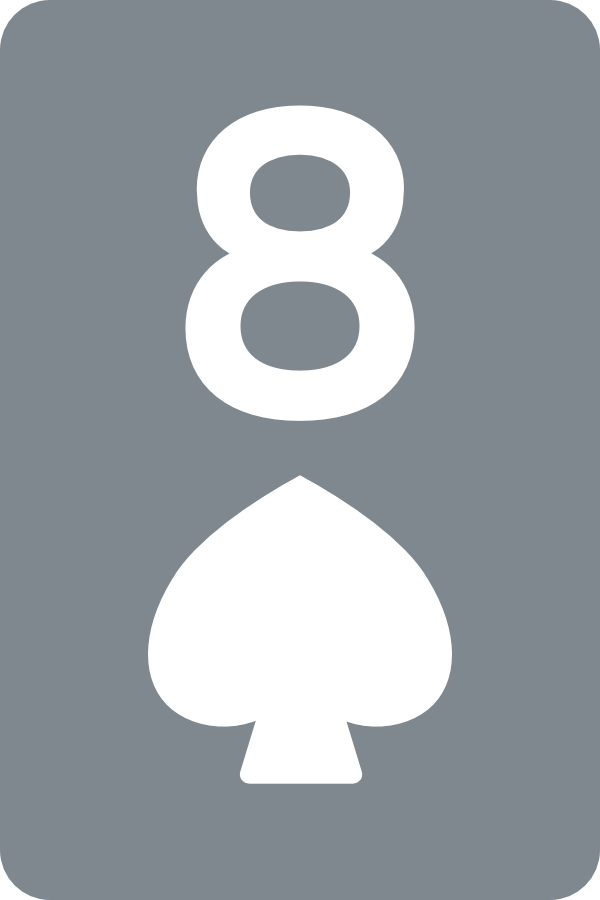


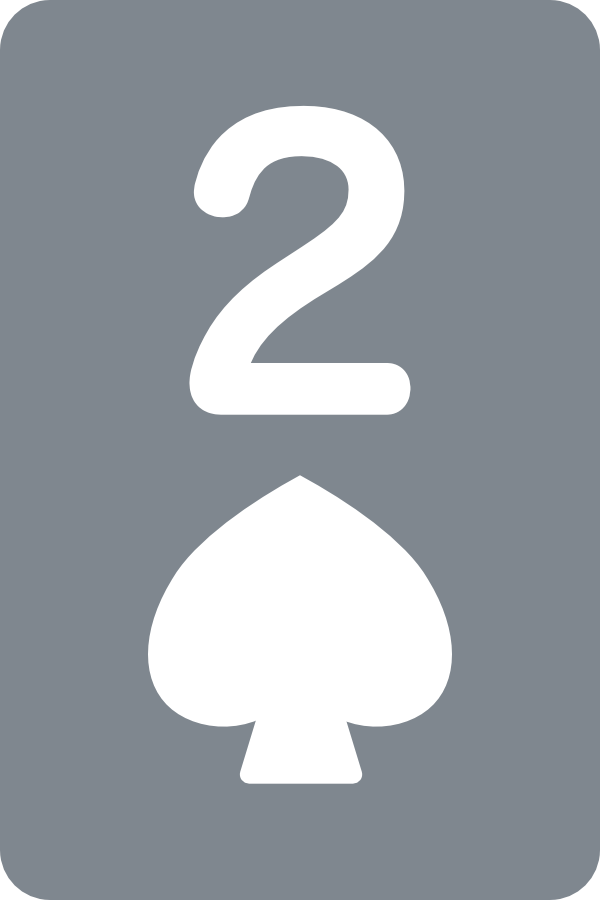
- BB checks → BTN (IP) can fire a continuation bet
- BTN has only ace high, but IP lets you c-bet and fold worse hands
- If BB calls, you can check back the turn after another check and see a free card
- You also keep a backdoor flush draw (♠), so IP gives you flexibility


- You will be OOP postflop, so you want initiative preflop
- Calling invites multiway pots and reduces QQ’s value—3-bet to narrow the field
- A 3-bet builds dead money and puts pressure on the opener
- A classic way to offset OOP with preflop aggression
Data that shows why position matters
Long-run win rates by position (bb/100) usually look roughly like this:
| Position | Typical bb/100 trend |
|---|---|
| BTN | Highest (strongly positive) |
| CO | Positive |
| MP | Slightly positive to break-even |
| UTG | Break-even to slightly negative |
| BB | Negative (blind cost) |
| SB | Most negative (blinds + OOP) |
The small blind is often the biggest long-term loser because you pay a blind and play OOP postflop—a double penalty.
Exact numbers vary by skill level and stakes, but BTN is best and SB is worst in almost every sample.
Summary
Why position matters in Texas Hold'em:
- IP has an information edge: act after opponents for better decisions
- IP controls pot size: choose to build or keep the pot small
- IP bluffs work more often: attack after weakness shows
- Adjust ranges by seat: play wide on the button, tight from UTG
- Respect OOP in the blinds: especially SB—fewer calls, more 3-bet-or-fold thinking
Position is one of the most important fundamentals for improving at Hold'em. Even strong hands lose value when you ignore position. Use position well, and you can profit with hands that look weak on paper.
References
- Robert Ciaffone, Robert's Rules of Poker, 2006
- David Sklansky & Ed Miller, No Limit Hold 'em: Theory and Practice, Two Plus Two Publishing, 2006
- Ed Miller, Playing The Player, 2012