Introduction
Preflop is the betting round before the flop—the first three community cards—is dealt. Deciding which hands to play and which to fold at this stage is the first major step toward improving at Texas Hold'em.
Playing too many hands is the most common beginner mistake. Entering pots with weak hands because you "want to see a flop" leads to difficult postflop decisions and long-term chip loss. This article organizes hands to play and hands to fold first at an entry level. We skip detailed range charts and focus on a simple "start here" framework.
Hands You Should Play
Premium Hands (Strong Starting Hands)
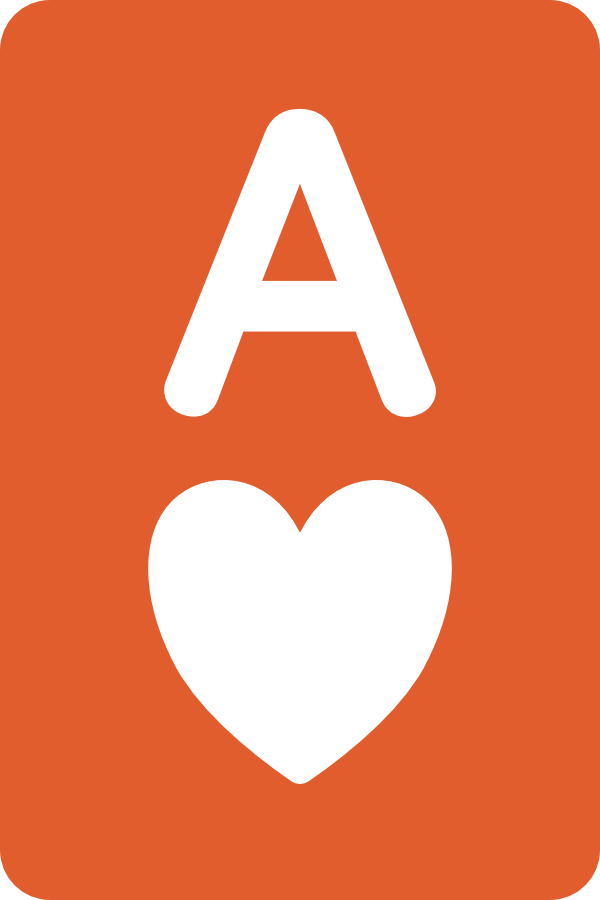
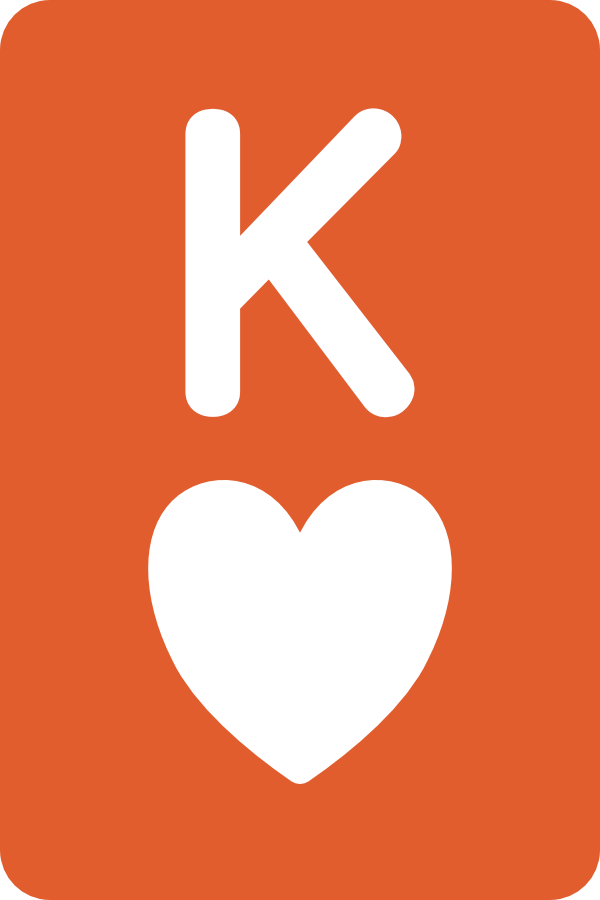
AA (pocket aces), KK (pocket kings), QQ (pocket queens), and AK are hands you can raise from any position. These are called premium hands because they stay strong on most flops.
- AA, KK, QQ: You already have a pair, so you are often ahead even when the flop misses you—unless an opponent has a higher pocket pair.
- AK: If an ace or king hits the flop, you often have top pair. Even when you miss, you have broadway straight potential and bluffing options.
For beginners, this is enough to start:
Raise AA, KK, QQ, and AK from every position.
That alone prevents many loose preflop mistakes while building pots with your strongest hands.
Strong Hands You Can Open From UTG
JJ, TT, AQ, AJs, and KQs are hands you can open-raise 100% from UTG (under the gun). In other words, from early positions (UTG and MP), you can raise these without hesitation.
From later positions, you can open wider (99, AJo, KQo, and more). As a beginner, remember JJ, TT, AQ, AJs, KQs as "raise from early position" hands first.
Suited vs Offsuit
The same ranks play differently depending on whether the cards share a suit.
Suited hands (same suit) are stronger than offsuit hands because they can make flushes. AJs is a standard UTG open. Offsuit hands like AJo and ATo are also often in standard UTG open ranges, but suited versions usually play better postflop.
Notation tip:
- AJs = ace-jack suited
- AJo = ace-jack offsuit
For position-specific charts, tools like GTOWizard (free tier) are useful—we cover that below.
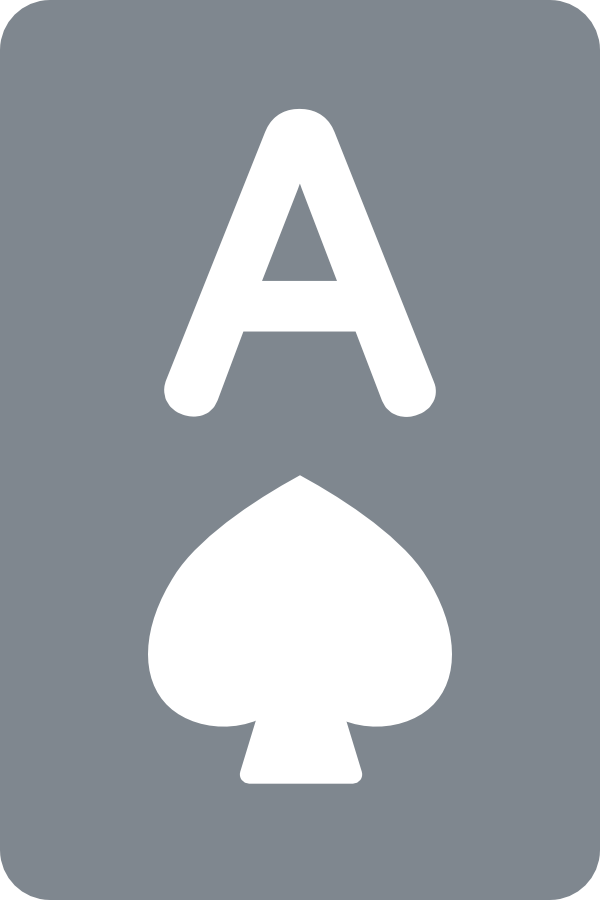
Examples of Hands to Play (Card Images)
These are representative hands you can raise with from any position:




Hands You Should Fold First
Decide Not to Play Weak Hands
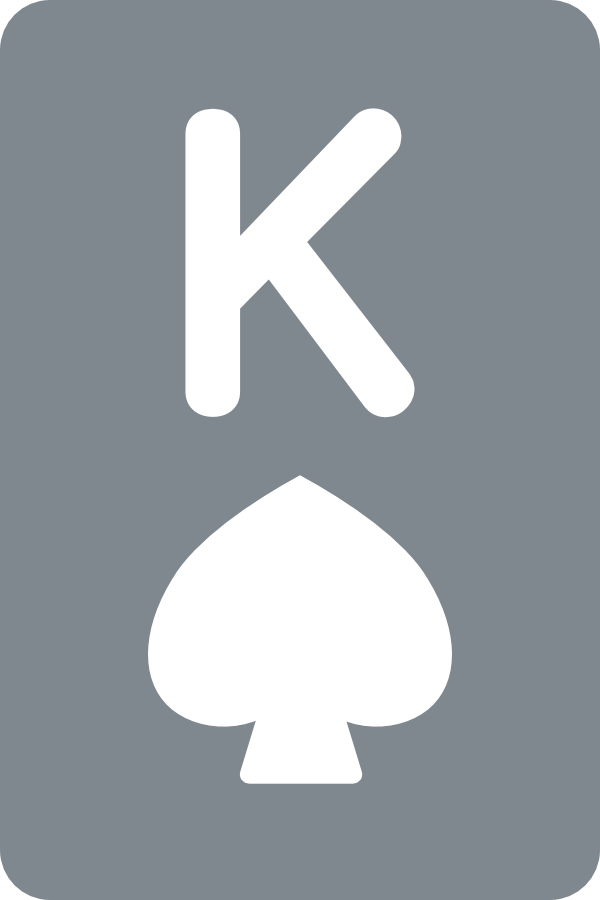
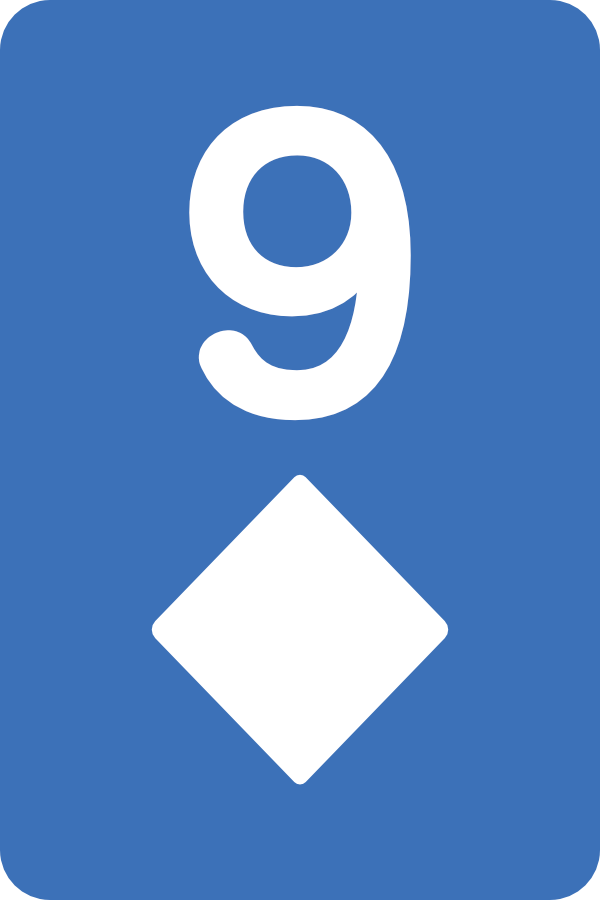
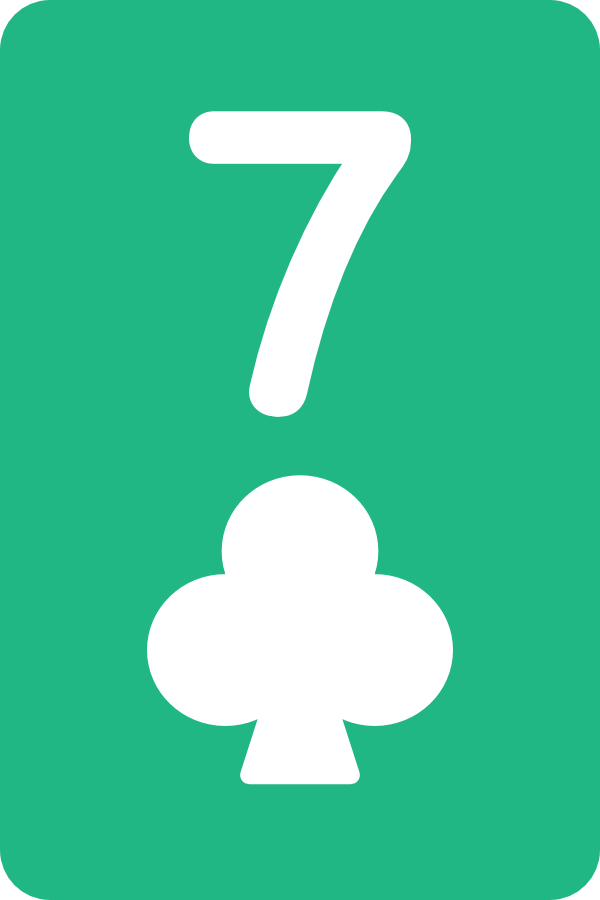
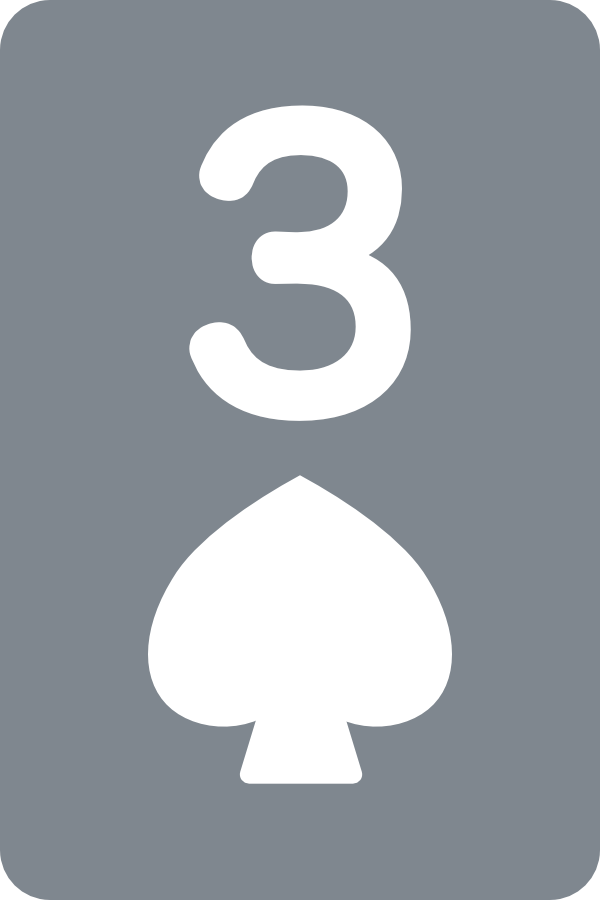
Hands like K9o, J7o, and 9-3 have weak connectivity or weak kickers. From early positions (UTG and MP), folding is the default.
K9o is a good example of a position-dependent hand:
- Fold from CO in many standard ranges
- Can open from the button in wider ranges
Do not treat every K-high hand the same. Ask: Am I in position, and is my kicker strong enough?
Even when you flop top pair with K9, you can lose to AK, KQ, or better kickers. From early position, avoiding dominated top-pair situations saves money.
K8o and K7o follow the same idea: fold from early positions by default. Later positions may include them in open ranges—check a chart when you are ready.
Be Careful With Marginal Hands
Small pocket pairs:
- 77+ is often in a UTG open range
- 66 and below (66, 55, 44, 33, 22) may open sometimes from UTG, but not at 100% frequency
For beginners, folding 66 and below from UTG is a safe default. If you do open them, remember: they are strong mainly when you flop a set (three of a kind). Without a set, play carefully.
Ace-x hands:
- Suited A5s–A2s are often opens from many positions
- Weak offsuit ace-x like A2o–A5o are usually folds from early positions
From late position, you might play some ace-x only when you can see a cheap flop—but deciding that too often leads to playing too many hands.
Build a "Raise or Fold" Habit
When you enter a pot, default to raising. If you do not want to raise, fold.
Avoid limping (calling the big blind without raising) as a beginner habit. Limping gives initiative to opponents and makes postflop play harder.
"Call just to see a flop" is one of the fastest ways to develop leaks.
Examples of Hands to Fold First (Card Images)
These hands are usually folds from early positions and the cutoff (CO):

Position Changes Which Hands You Play
The table has early seats (UTG, MP) and late seats (CO, BTN, SB).
From early position, many players still act after you, so strong hands are more likely. Play a tighter range.
From late position, more players have already folded or checked, so you act with an advantage. You can play a slightly wider range.
| Position | Beginner Guideline |
|---|---|
| Early (UTG, MP) | Open AA–TT, AK, AQ, AJs, KQs, and similar strong hands. Use GTOWizard (6-max 500NL) for wider charts |
| Late (CO, BTN) | Add hands like 99, AJo, KQo. If you play, prefer raising over calling |
Learning the difference between "open from anywhere" and "open only from late position" helps balance playing too loose and too tight.
Check Preflop Ranges Free: GTOWizard
GTOWizard lets you view preflop ranges for free. You can see open, 3-bet, and call ranges by position in a matrix—useful for learning which hands belong where.
For nlh.poker's 6-max environment, use the 6MAX 500NL setting (6 players, 100bb stacks). View 6MAX 500NL preflop ranges on GTOWizard.
Beginner Goal: Watch Your Participation Rate
A simple first target: raise into the pot on roughly 20–25% of all hands at a 6-max table.
- Above ~40% usually means playing too many hands
- Below ~10% may mean playing too tight
Start with:
- Raise AA–TT, AK, AQ, AJs, KQs from early position
- Fold obvious weak hands
- Add 99, AJo, and similar hands from late position as you get comfortable
That naturally moves you toward a healthier VPIP/PFR profile.
Summary
- Hands to play: AA, KK, QQ, and AK—raise from every position. JJ, TT, AQ, AJs, and KQs are strong enough to open from UTG.
- Hands to fold first: K9o, J7o, 9-3, and similar weak hands from early positions and CO. 66 and below may open sometimes from UTG, but beginners can fold them for now.
- Position: Play tighter early, slightly wider late. Default to raise or fold when the pot is unopened.
If you only do two things at first—raise premiums strongly and fold obvious junk—your preflop quality improves quickly.
Use GTOWizard with the 6MAX 500NL setting when you want visual range charts for nlh.poker.
Next, read What Are VPIP and PFR? to track your participation rate with stats.
Poker rewards players who win big with strong hands and lose small with weak ones. Avoiding bad preflop entries is how you build a long-term edge.