When the flop lands, do you wonder whether the board favors you or your opponent? A key piece of GTO study is board texture—especially the distinction between dynamic and static boards.
This article covers flop volatility (how much equity moves on future streets) and how it affects c-bet frequency and sizing. Reading Continuation Bet Basics and What Is GTO in Poker? first will help.
What Are Dynamic and Static Boards?
A dynamic board is one where turn and river cards can significantly change the relative strength (equity) of players' hands. Strong hands can weaken and weak hands can spike—often more than once before the river.
A static board is the opposite: on most runouts, hand strength stays relatively stable through the turn and river. Strong hands on the flop tend to remain ahead, and big reversals are less common.
This classification depends on each player's range and the board together. The same flop can favor different sides depending on preflop action and how many players saw it—but how much equity swings on later streets is a shared lens for reading texture.
Side-by-Side Examples
Dynamic board example: 8♣ 7♣ 3♦
Single-raised pot (e.g. BB vs EP)
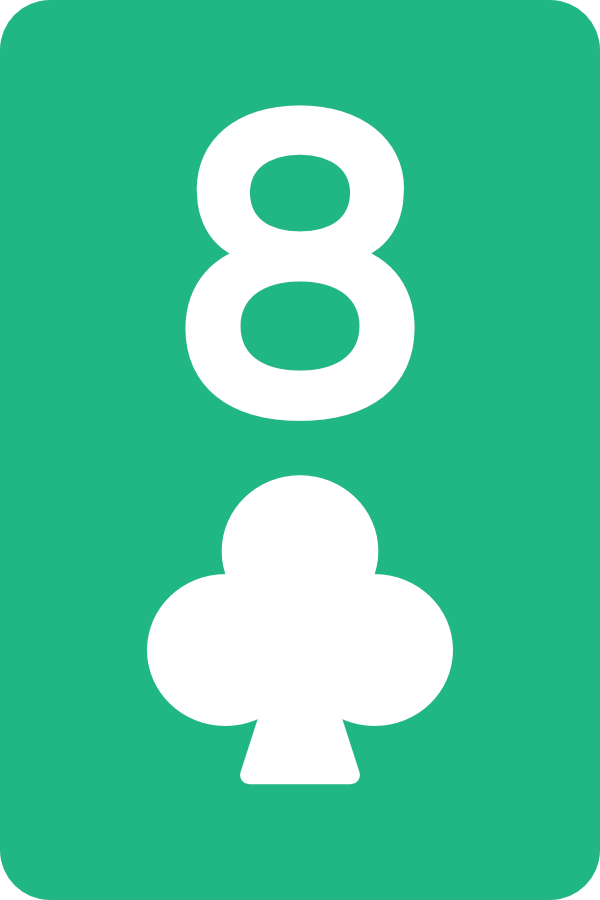
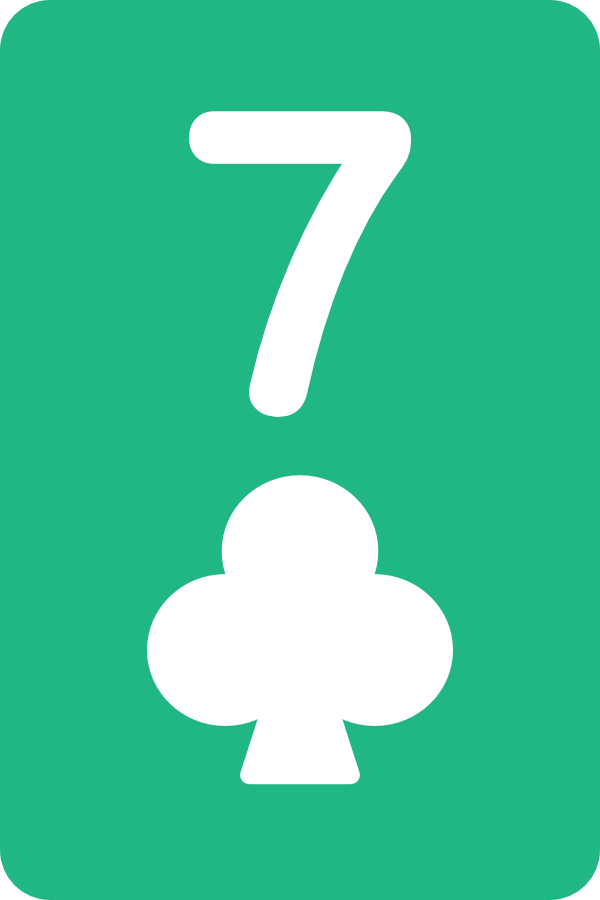
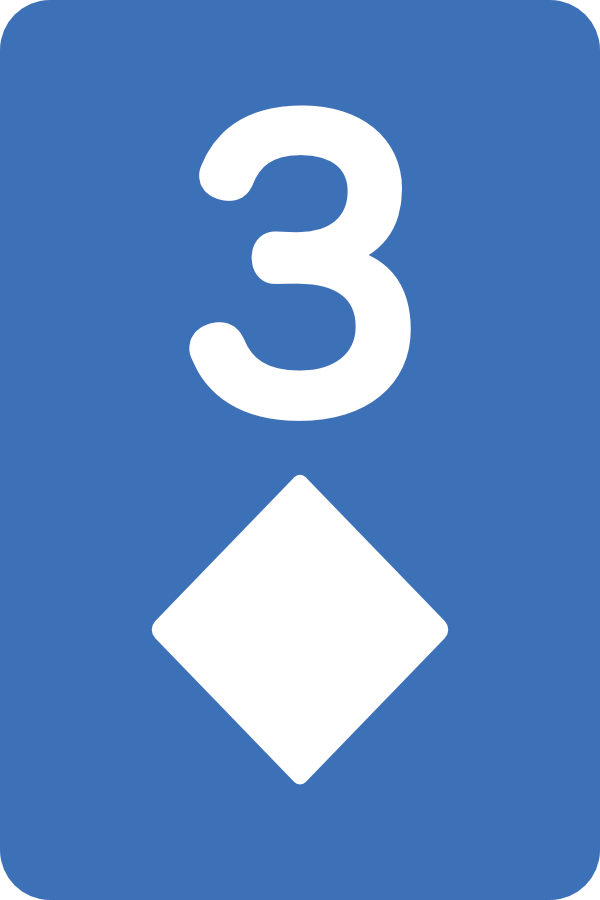
Any club completes a flush; 5, 6, 9, T, or J can complete straights. Cards above 8 on the turn or river can devalue top pair on 8. This is a classic board where equity shifts sharply on later streets.
Static board example: K♠ 7♦ 2♣
Single-raised pot


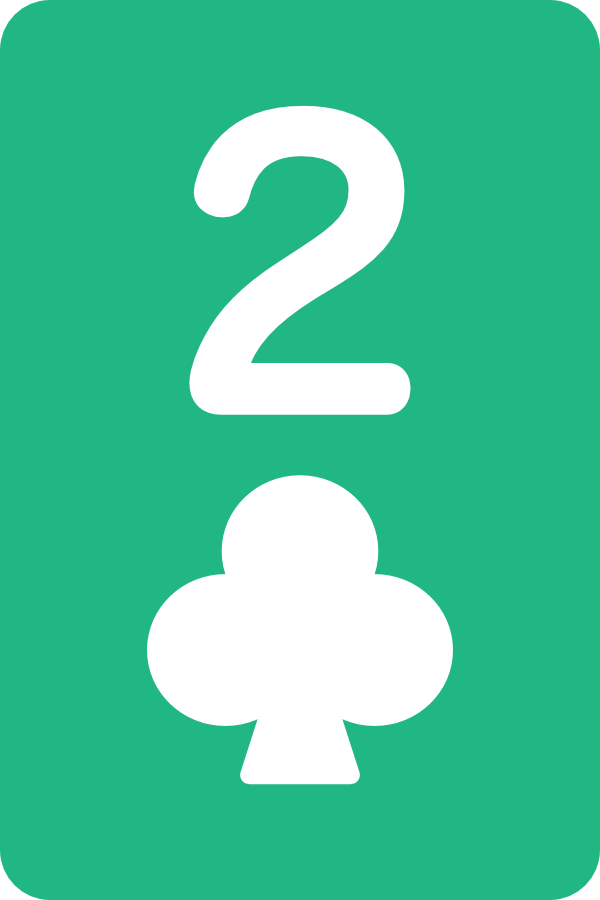
A high card tops the board and the ranks are disconnected. Few flush or straight draws, and turn or river cards rarely flip hand strength. Strong hands on the flop tend to stay strong.
Traits That Favor Dynamic Boards
- Connected ranks: 8-7-3, T-9-8, 6-5-4, and similar. Many cards can complete straights.
- Two or more cards of one suit: flush draws exist (two-tone or monotone).
- Low-card centers: both ranges often retain suited connectors and pairs, so one turn card can reshuffle the order of hands.
- Overcards still possible: middle pair can be top pair on the flop but lose to a higher card on the turn.
Traits That Favor Static Boards
- High cards, disconnected: A-7-2, K-8-3, and similar. Rainbow (three suits), dry boards with few draws.
- Paired boards: K-K-5, 8-8-2, and similar. Few players hold strong made hands on the flop; both ranges often stay weak. Few strong hands on the board means less room for big swings in hand strength later—so these boards lean static.
- Large gaps between ranks: fewer straight combinations.
- Nutty hands settle early: sets and top two pair often hold through the river.
Wet vs Dry: Not the Same Thing
Dynamic/static is often confused with wet and dry texture. They overlap but are not identical.
| Term | What it measures |
|---|---|
| Wet / dry | How many draws exist on the flop (flush and straight potential) |
| Dynamic / static | How much equity changes on the turn and river (future volatility) |
Example: Wet boards often lean dynamic, but a low monotone board can still play closer to static depending on both ranges. Conversely, a rainbow A♠Q♣3♦ board has no flush draw and limited straight combinations—it is dry. The preflop raiser's range often retains many A- and Q-type hands, so range advantage tends to lock in on the raiser at the flop. Equity shifts less on later streets, so this board is treated as static-leaning—unlike dynamic examples such as 8♣7♣3♦. In practice, look at both "how many draws exist" and "how much equity will move later."
Strategy Impact: C-Bets, Defense, and Sizing
GTO-leaning tendencies shift with board volatility. Below are guidelines for heads-up single-raised pots—adjust for opponent and position.
As the Preflop Raiser (Aggressor)
| Board type | C-bet frequency | Sizing | Idea |
|---|---|---|---|
| Static / dry | Higher | Small to medium (1/4–1/2 pot) | Range advantage; small bets still pick up folds |
| Dynamic / wet | Lower / selective | Medium to large (1/2–2/3 pot) | Mix checks; when betting, size to protect against draws |
On static boards, this matches the intuition in Continuation Bet Basics—dry boards are easier to c-bet. On dynamic boards, c-betting every hand gets called and turn play gets harder, so check more often and choose your bets.
As the Defender (Caller)
- Dynamic boards: draws and overcards gain continue value. Use MDF as a floor while adding floats and check-raises.
- Static boards: middle pairs and ace-high bluff-catches work better. Against small c-bets, the "call once with second pair" idea from Flop Hand Selection applies more often.
Planning Turn and River
On dynamic boards, think beyond the flop decision: which turn cards swing range advantage. On 8♣7♣3♦, a club accelerates flush completion and draw progress; a K raises the value of overpairs.
On static boards, whoever leads on the flop often keeps that edge through turn and river, which makes barrel planning easier—but bluff stories are harder to sustain.
Quick Classification Checklist
When the flop lands, scan these four items in order.
- Structure: paired or unpaired? (Paired boards lean static because few players hold strong made hands and there is less room for big swings in hand strength later.)
- Suits: rainbow, two-tone, or monotone? (Monotone and two-tone lean dynamic.)
- Connectivity: how many straight combinations exist? (One or fewer leans static; two or more leans dynamic.)
- High-card height: A-high and K-high lean static; connected mid-to-low boards lean dynamic.
Common Misconceptions
Summary
- Dynamic boards = equity swings on turn and river / static boards = strong hands tend to stay strong
- Connectivity, suits, and low-card centers lean dynamic; high dry boards and paired boards lean static
- Wet/dry is a separate axis from dynamic/static—use both in practice
- Static: more c-bets, smaller sizing. Dynamic: selective bets, more checks, larger sizing
- Classify quickly with structure, suits, connectivity, and high-card height
Board texture is the foundation for postflop decisions in any GTO study path. After playing on nlh.poker, review hand history: was this flop dynamic or static? Was your c-bet frequency reasonable? Next, combine this with Continuation Bet Basics and Exploitative vs GTO Poker to adjust for opponent types.