"I follow preflop charts, but once the flop comes I freeze." "When my opponent bets, I fold unless I have a strong made hand."
Many beginners struggle here. On the flop, bet frequency and call frequency often drop too low. You check and fold too much, or you never bet without a made hand.
In poker, over-folding and playing too passively are easy to exploit. Your opponents can bet whenever you show weakness and give up whenever you show strength.
This guide explains which hands to bet and which hands to call on the flop, with concrete examples for value, semi-bluffs, and bluff catching.
1. Why beginners over-fold and under-bet the flop
Before hand examples, understand the root cause: "I don't have a made hand yet."
On the flop, you make one pair or better only about 30% of the time. That means roughly 70% of flops you will have high card only. Your opponents are in the same situation.
If you always check or fold without a made hand, you give away most pots.
Flop play is not only about whether you "hit." It is also about equity (future improvement) and fold equity (making opponents fold). You are fighting for pots with incomplete information, not waiting for perfect hands.
2. Bet more: three flop spots to fire
If you were the preflop aggressor, betting the flop is a continuation bet (c-bet). Low c-bet frequency lets opponents realize equity for free.
Use these three situations as a starting point. For more on c-bet theory, see Continuation Bet Basics.
Bet example 1: strong made hand (value bet)





You have top pair with the best kicker (A-K on A-8-4). Beginners often slowplay here to "trap," but that usually costs value.
If villain has a weaker ace (A-T, A-9) or a pocket pair like 88, they often call a bet. When you have a strong hand, bet to build the pot.
Bet example 2: strong draw (semi-bluff)




You only have jack-high right now, but you have huge equity: with three spades (J♠ T♠ 9♠), one more spade makes a flush; a seven or queen makes a straight.
Bet here (semi-bluff) for two reasons:
- Villain may fold now and you win immediately (fold equity)
- If called, you can improve on turn or river and win a bigger pot
Aggressive play with strong draws raises your win rate.
Bet example 3: backdoor draws + overcards (bluff)



You have nothing yet — a spot where beginners check-fold. Strong players still bet sometimes.
You have backdoor flush potential (need two more diamonds) and overcards (K, Q). T-5-2 is also a dry, disconnected board where both players often miss.
As the preflop raiser, a bet can fold out ace-high and other hands that beat you now but cannot continue.
3. Call more: three flop spots to defend
When an opponent bets into you, do not assume bet = strength. If you fold too often, they can bluff profitably with any two cards.
You need to defend with the right frequency. These three call examples show middle-strength hands and draws that beginners fold too quickly.
Call example 1: middle pair (bluff catch)
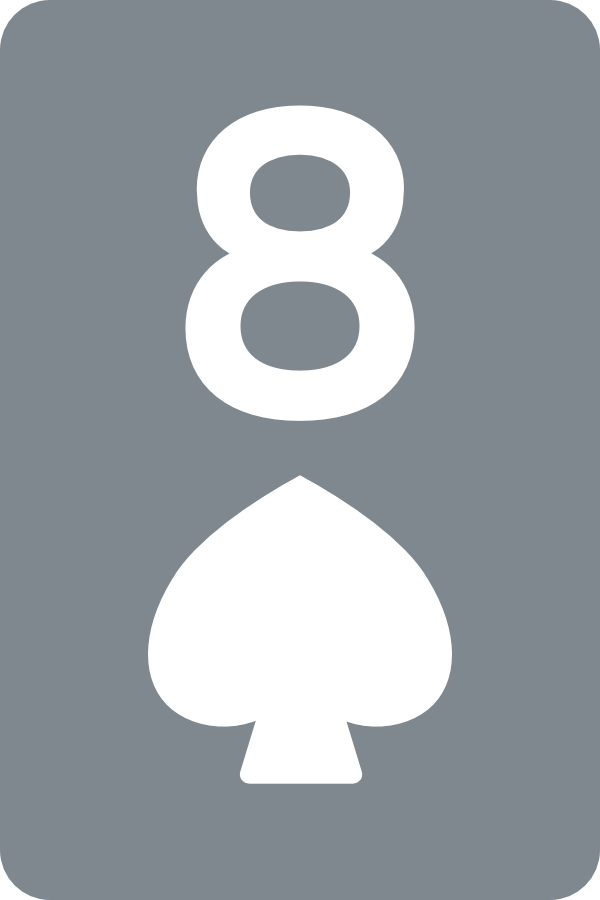
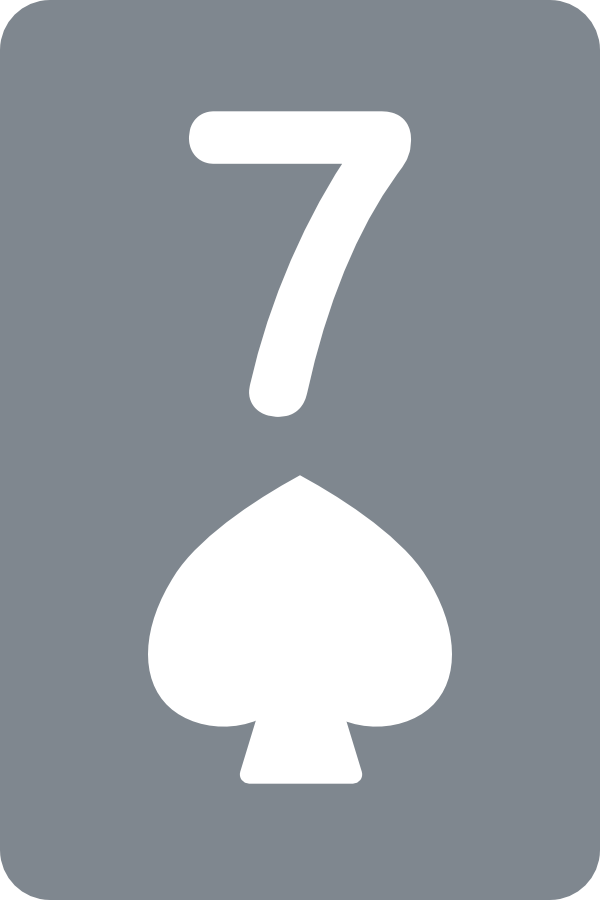


You have second pair (88 on J-8-4). Many beginners panic: "Maybe they have a jack!" and fold.
They might have a jack — but they might also be c-betting with ace-king, ace-queen, or pure air. Your pair beats those bluffs.
With medium-strength hands, calling one flop bet to see a turn is often correct. If villain keeps barreling large on turn and river, then consider folding.
Call example 2: gutshot + overcards




You have ace-high, but this hand has multiple ways to improve:
- Gutshot straight draw: a king makes A-K-Q-J-T
- Overcards: an ace or queen can give you top pair
- Backdoor flush: three hearts in your hand and board
A gutshot alone is often not enough to call a big bet. Here, overcards and backdoor equity add enough improvement potential. Against a half-pot bet or smaller, one flop call is reasonable.
Call example 3: strong ace-high + backdoors

"Call with ace-high?!" can sound crazy, but context matters.
You have backdoor flush potential (diamond) and backdoor straight potential (a three completes A-2-3-4-5). If you fold every ace-high, opponents profit with any small bet.
Against a small bet (around one-third pot), this ace-high has enough playability to call once and evaluate the turn. You often beat bluffs already.
4. Summary: the flop is a fighting street
It is normal to feel uncomfortable betting without a made hand. But waiting for strong hands every time will not win in Texas Holdem.
To bet more: Value-bet strong made hands, semi-bluff strong draws, and mix bluffs on boards where opponents miss often.
To call more: Do not treat every bet as the nuts. Second pair, playable draws, and some ace-high hands can defend once and re-evaluate on the turn.
The flop is where both players probe for information and fight for the pot. If you reduce over-folding and passive play, your game will improve quickly. Try one bet spot and one call spot in your next session.